

Have you ever felt stuck in your daily routine?
Here, small changes in how we think can create big differences in our lives. A mindset shift means looking at things in a fresh way.
Think about a glass with water at its middle point. Some see it half-empty, others half-full. That’s a mindset difference.
This article helps people understand mindset shifts, enabling them to turn problems into opportunities for growth.
In this, you know what mindset shifts are and why they matter. You’ll learn simple ways to adjust your thinking.
What is a Mindset Shift and Its Importance

A mindset shift is how you change your thoughts about situations and life. It’s when you step back and look at things differently.
When you face a hard task, you used to think, “I can’t do this.” But when you say, “I can learn how to do this.” That’s a mindset shift.
These changes in thinking matter because they affect everything we do. They help us:
- Handle tough times better: Instead of giving up when things get hard, we see challenges as ways to learn and improve.
- Make better choices: When we shift our mindset, we spot good chances we might have missed before. Like seeing a job rejection as a sign to build new skills, not as a failure.
- Feel more in control: Rather than blaming others or luck, we focus on what we can do. This makes us more confident and helps us take action.
Think of your mindset like a pair of glasses. The right lens helps you see things clearly. The wrong one makes everything blurry.
By changing how we think, we change what we see – and that changes what we can do.
Remember: You don’t need special skills to change your mindset. You just need to be willing to look at things in new ways. The power to change your thoughts is already in you.
Types of Mindset Shifts
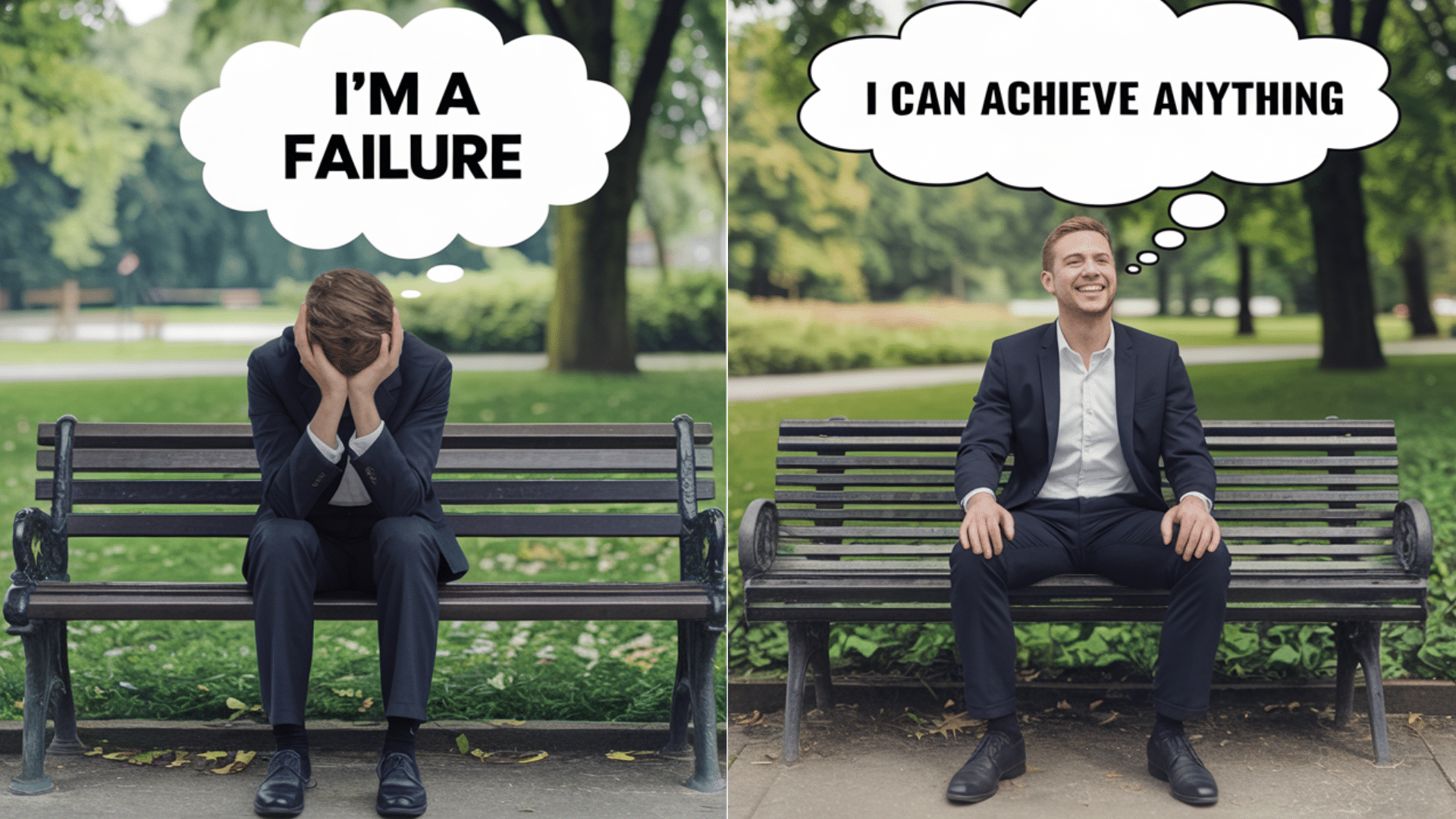
Mindset shifts are essential for personal growth and overcoming challenges. They help us reframe our thoughts, leading to healthier habits and more positive outcomes.
Here are some common types of mindset shifts:
Fixed to Growth Mindset
Skills can improve through steady practice and hard work. Anyone can learn new things with time and effort.
Facing tough tasks becomes easier by viewing struggles as learning steps. Each challenge brings a chance to build new abilities.
Problem-to-Solution Mindset
Looking for answers works better than focusing on problems. Just like finding a clear path forward makes the next steps clear.
Asking “what can be done?” leads to better outcomes. This approach reduces stress and opens up new ways to move ahead.
Insufficiency to Prosperity Mindset
Success has room for everyone. Each person can grow and achieve their goals while helping others do the same.
Sharing knowledge and support builds stronger results. Working together creates more chances for everyone to reach their aims.
Fear to Courage Mindset
Taking small steps helps overcome big fears. Each brave choice builds strength for the next challenge ahead.
Fear points to areas ready for growth. Moving through worry shows which paths matter most for progress.
Past to Present Mindset
Today’s choices shape tomorrow’s results. Focusing on now helps make better decisions for the future.
Current moments offer fresh chances for progress. Time spent on present goals brings better results than past regrets.
Effective Ways to Change Your Mindset Today

Let me show you simple ways to build new thought patterns. These methods work because they’re easy to add to your daily life.
1. Start Your Day with Purpose
- Set clear goals for each day before you start, keeping them small and doable
- Write down three things you want to finish, making them specific and clear
- Take five minutes each morning to plan your tasks in order of importance
2. Question Your Thoughts
- Notice when negative thoughts come up and ask if they’re really true
- Look for proof that supports or goes against what you’re thinking
- Replace limiting beliefs with more helpful and truthful ones
3. Pick Better Words
- Change phrases like “I have to” into “I get to” when talking about tasks
- Use words that show you can grow and learn instead of being stuck
- Speak about your goals as if they’re already happening
4. Learn From Others’ Success
- Read stories of people who achieved similar goals to yours
- Study how others handled challenges and what worked for them
- Take note of useful tips and methods you can try yourself
5. Write Things Down
- Keep a daily journal about your thoughts and feelings
- Make lists of things that went well each day
- Track your progress on goals, no matter how small
6. Change Your Daily Habits
- Start with one small new habit that helps your goals
- Make this new habit at the same time each day
- Add more positive habits slowly, one at a time
7. Find Support Groups
- Join groups of people working toward similar goals
- Share your progress with others who understand
- Ask for help when you need it from those you trust
8. Focus on Small Wins
- Break big goals into smaller, easier steps
- Notice and celebrate each tiny bit of progress
- Keep track of all your small successes
9. Practice Gratitude
- List three good things that happen each day
- Thank people who help you along the way
- Notice the good parts of tough situations
10. Take Care of Your Health
- Get enough sleep each night to stay clear-headed
- Move your body in ways that feel good to you
- Eat foods that give you steady energy
11. Be Patient with Yourself
- Remember that lasting change takes time
- Notice how far you’ve come instead of how far you have to go
- Give yourself credit for trying, even when things don’t work out
The Role of Mindset in Achieving Goals
| Area | Impact on Goals | How It Helps |
|---|---|---|
| Motivation | Keeps you moving forward when tasks get hard | It helps you see setbacks as temporary It makes you focus on progress, not perfection |
| Decision Making | Helps you make choices that match your goals | Makes you consider long-term benefits It helps spot good chances |
| Handling Setbacks | Turns failures into learning chances | It makes you bounce back faster Helps find new ways to solve problems |
| Taking Action | Gets you moving instead of just planning | Helps you start small tasks It keeps you going step by step |
| Learning | Makes you open to new ideas and methods | Helps you ask for help when needed It keeps you growing and improving |
Helpful Exercises to Change Your Mindset

- Morning Questions: Start each day by asking, “What’s good today?” Write three answers before checking your phone.
- Gratitude Walk: Take a 10-minute walk. Name five different things you’re thankful for with each step.
- Success Journal: Write down three small wins every night. Include why they matter to you.
- Thought Checker: When worried, ask yourself, “Will this matter in one year?” It helps sort big from small problems.
- Letter to Future Self: Write about where you want to be in six months. Read it weekly.
- Positive News List: Find and write down one good news story each day. Share it with friends.
- Skills Inventory: List five things you’re good at. Add new skills as you learn them.
- Growth Review: Every Sunday, write what you learned this week. Even small lessons count.
- Help Others: Each day, do one small thing to help someone else. Notice how it makes you feel.
- Daily Challenge: Try one tiny new thing each day. It builds confidence in small, safe steps.
Conclusion
Changing your mindset is a bit like learning to ride a bike – it takes time, but once you get it, it stays with you.
Start small. Pick one idea from this post that speaks to you. Maybe it’s morning planning or keeping a journal. Try it for a week and see how it feels.
Remember, you’re not alone in wanting to think differently. Why not share your mindset shift story in the comments below? We’d love to hear which tip you’ll try first.
Frequently Asked Questions
How Long does it Take to Change Your Mindset?
Most people start seeing small changes in 3-4 weeks of daily practice. Real, lasting shifts often take 2-3 months of steady effort and patience.
Can I Change My Mindset at Any Age?
Yes! Your brain can form new thought patterns at any age. It’s like learning a new skill – it just needs practice and the right tools.
What if I Slip Back Into Old Thinking Patterns?
It’s normal to slip sometimes. Notice when it happens, remind yourself of your new way of thinking, and keep going. Each return to better thoughts makes them stronger.
How do I Know if My Mindset is Actually Changing?
You’ll notice you handle problems better, feel more hopeful, and take action instead of giving up. Friends might comment on your more positive outlook.